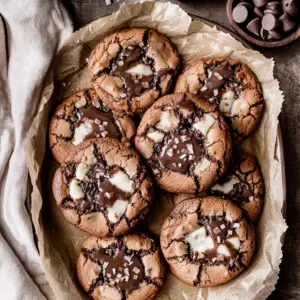
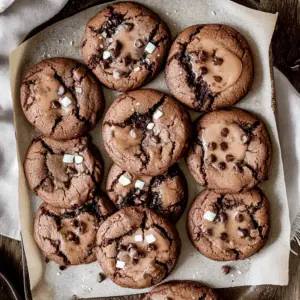
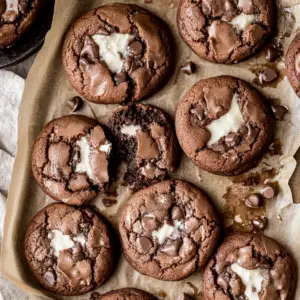
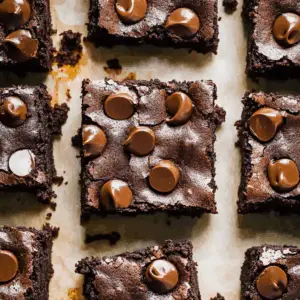
Many home cooks struggle with achieving the perfect balance of rich chocolate flavor and tender texture that defines exceptional Holiday Black Bottom Cookies. The secret lies in mastering three essential techniques: proper ingredient selection, precise mixing methods, and accurate baking times. Master these principles, and you’ll consistently produce bakery-quality results.
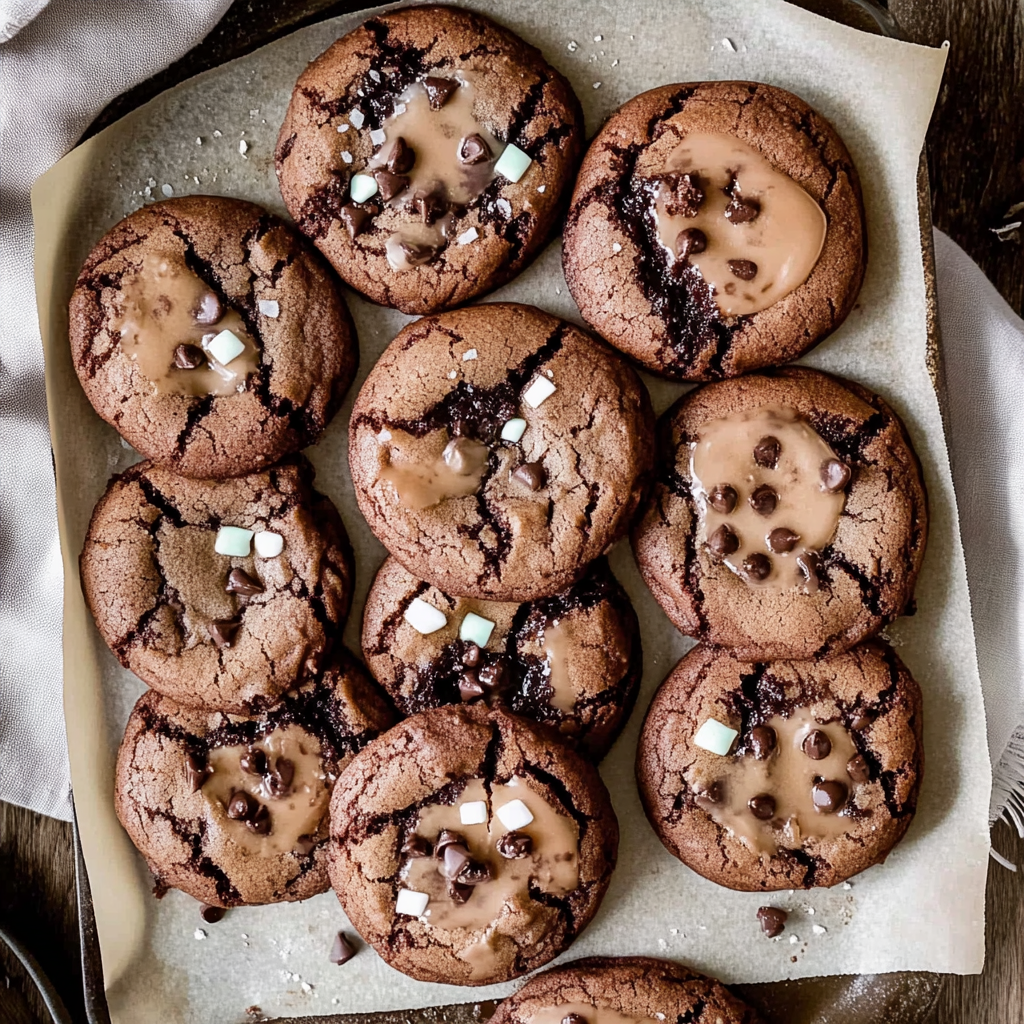
This technique-focused approach eliminates guesswork entirely. By following specific guidelines for ingredient ratios and mixing methods, you’ll achieve consistent results every time. This method works because it takes into account the chemical reactions that create both texture and flavor, ensuring your cookies are a delightful treat during the holiday season.
Key Success Factors
- </p>
- <p>Maintaining a cold butter temperature ensures it integrates smoothly without overmixing the dough, which can lead to a tough cookie
- Using high-quality cocoa powder enhances flavor depth, while the right balance of sugars promotes browning and tenderness
- Properly measuring flour prevents excess gluten formation that leads to dense cookies.</p>
- <p>
This method succeeds because it controls key variables that determine texture and flavor: fat distribution, sugar composition, and leavening action. By managing each element precisely, you create the ideal environment for optimal rise and moisture retention. Professional bakers apply these same principles to ensure their cookies are consistently delicious.
Ingredient Breakdown by Function
Understanding each ingredient’s role helps you achieve consistent results:
Structural Components:
- 2 cups (240g) all-purpose flour: Provides the necessary structure for cookies; too much flour can lead to dryness and toughness.
- 1 teaspoon baking soda: Acts as a leavening agent that helps cookies rise by producing carbon dioxide when combined with acidic ingredients.
- 1/2 teaspoon fine sea salt: Enhances all flavors present in the cookie while balancing sweetness—and strengthens gluten bonds.
Flavor Enhancers:
- 3/4 cup (150g) granulated sugar: Sweetens the cookie and promotes browning through caramelization during baking; crucial for achieving that desirable crispy exterior.
- 3/4 cup (150g) packed brown sugar: Adds moisture and a subtle molasses flavor; its higher humidity contributes to chewiness in finished cookies.
- 1 teaspoon pure vanilla extract: Imparts aromatic complexity and enhances sweetness; always use pure extract for superior flavor.
Fat Components:
- 1 cup (227g) unsalted butter, softened: The primary fat source; contributes richness and aids in creating a tender crumb when creamed properly with sugars.
- 1 large egg: Binds ingredients together while also contributing moisture; room temperature eggs incorporate better into the batter.
Finishing Touches:
- 1 cup (170g) semi-sweet chocolate chips: Adds bursts of rich chocolate flavor throughout the cookie; consider using high-quality chocolate for best results.
- 1/2 cup (50g) cocoa powder: Provides deep chocolate flavor; use Dutch-processed cocoa for a smoother taste or natural cocoa for more acidity.
You’ll find the complete recipe with exact measurements and detailed instructions in the recipe card at the end of this post.
Step-by-Step Technique Guide
Creaming Butter and Sugars
In a large mixing bowl, combine softened butter with granulated sugar and brown sugar. Use an electric mixer on medium speed to beat until lightened in color and fluffy—approximately three to five minutes. This process incorporates air into the mixture, which is essential for achieving a light texture in your cookies. Ensure you scrape down the sides of the bowl periodically to guarantee even mixing.
Incorporating Eggs and Vanilla
Add one large egg along with vanilla extract to your creamed mixture. Mix on low speed until just combined—overmixing can result in tough cookies due to excess gluten formation. The egg serves as an important binding agent while also adding moisture, so be sure it’s at room temperature for optimal integration.
Sifting Dry Ingredients Together
In a separate bowl, sift together all-purpose flour, cocoa powder, baking soda, and fine sea salt. Sifting aerates these dry ingredients and ensures there are no lumps of cocoa powder or baking soda that could affect even rising or flavor distribution in your cookies. Gradually add this dry mixture to your wet ingredients on low speed until just combined—be careful not to overmix at this stage.
Add Chocolate Chips
Fold in semi-sweet chocolate chips gently using a spatula or wooden spoon until evenly distributed throughout the dough. This should be done carefully to avoid breaking up any chips while ensuring they are well incorporated into every bite of cookie dough.
Baking Cookies to Perfection
Preheat your oven to 350°F (175°C) with racks positioned in the center. Line two baking sheets with parchment paper for easy removal post-baking. Scoop tablespoon-sized portions of dough onto prepared sheets, spacing them about two inches apart to allow spreading during baking. Bake for 10-12 minutes until edges are set but centers remain soft—this results in chewy cookies after cooling.
: Cooling for Optimal Texture
Allow baked cookies to cool on sheets for five minutes before transferring them to wire racks using a spatula. This resting period allows them to firm up slightly without becoming overly hard as they cool completely on racks—this step is crucial for achieving that perfect balance between soft centers and crisp edges.
By adhering closely to these professional techniques while preparing Holiday Black Bottom Cookies, you’ll achieve remarkable results every time they are made—a true testament to both skillful execution and understanding of fundamental cooking principles!
Critical Technique Tips
- </p>
- <p>Use high-quality cocoa powder to enhance the chocolate flavor in Holiday Black Bottom Cookies, as inferior brands can lead to muted taste
- Ensure even mixing by incorporating dry ingredients separately before adding wet components, which promotes uniform distribution
- Maintain a consistent oven temperature using an oven thermometer to prevent underbaking or overbaking, both of which compromise texture
- Allow cookies to cool completely on the baking sheet before transferring them to avoid breakage from residual heat. </p>
- <p>
Common Mistakes and How to Avoid Them
A common issue is incorrect baking time. Underbaking leads to a gooey center, while overbaking causes dryness. Use a timer and check doneness at the minimum recommended time with a toothpick; it should come out with moist crumbs—not wet batter. Another frequent error is improper measuring of flour. Too much flour results in dense cookies due to excess gluten formation. Always use the spoon-and-level method for accurate measurement. Lastly, neglecting to chill dough can cause spreading, leading to flat cookies; refrigerate for at least 30 minutes for best results.
Expert Variations and Modifications
For a sophisticated twist on Holiday Black Bottom Cookies, try substituting half of the all-purpose flour with almond flour which adds moisture and nutty flavor while reducing gluten formation. Adding a pinch of espresso powder intensifies chocolate notes without being overtly coffee-flavored. For a chewy texture, incorporate an additional egg yolk; this increases fat content, enhancing richness and mouthfeel. Professional bakers may also choose to sprinkle sea salt on top before baking for an appealing contrast that elevates sweetness through flavor balance.
Optimal Storage for Best Quality
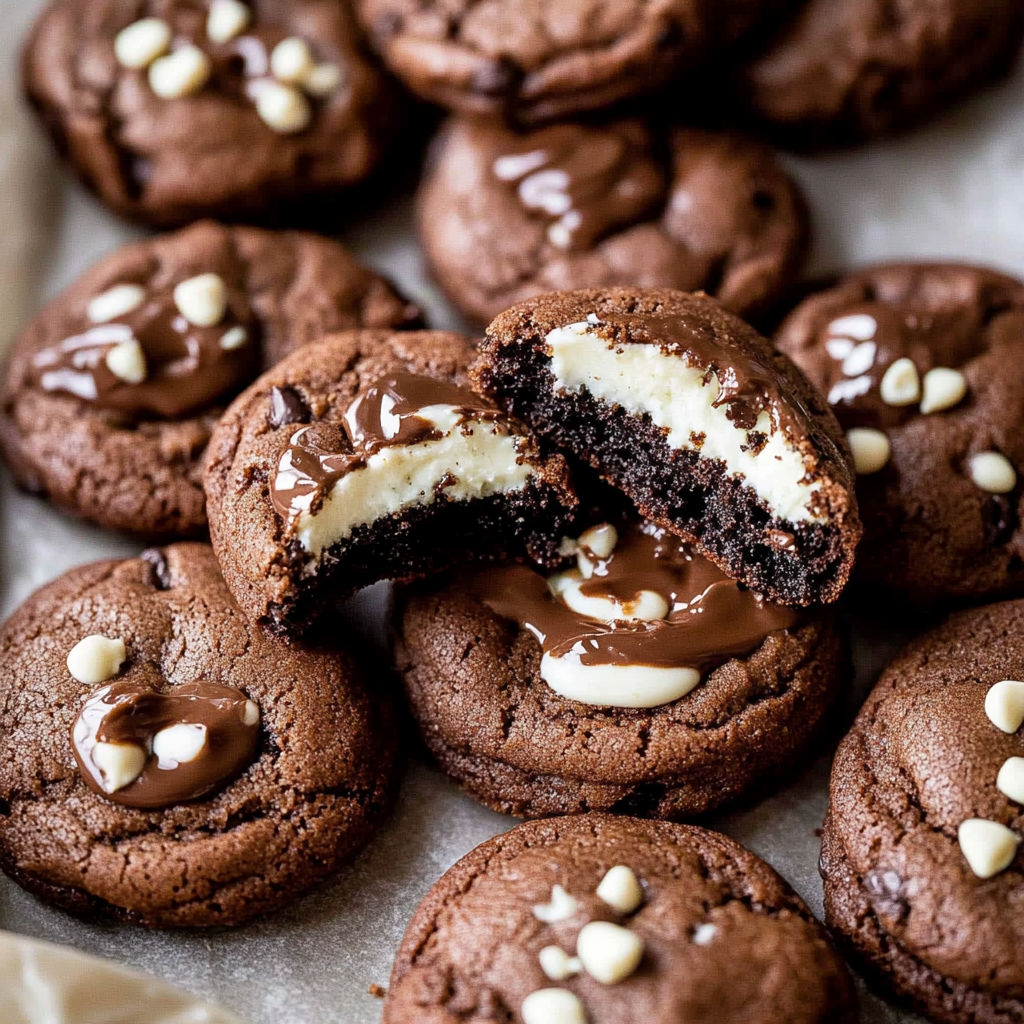
Store Holiday Black Bottom Cookies in an airtight container at room temperature for up to one week. Exposure to air causes moisture loss and staling due to retrogradation of starches. For longer storage, freeze cookies after fully cooling by wrapping them individually in plastic wrap and placing them in freezer bags—this prevents freezer burn and retains quality for up to three months at 0°F or below. To refresh thawed cookies, warm them briefly in a 350°F oven for five minutes.
Professional Techniques
- </p>
- <p>Professional bakers utilize scale measurements instead of volume for precise ingredient ratios affecting texture significantly
- They often employ high-hydration doughs by increasing liquid levels slightly—this contributes to tenderness and chewiness post-baking
- To achieve glossy tops on cookies, chefs recommend brushing with melted butter before baking; this not only enhances color but also creates an appealing sheen that invites tasting. </p>
- <p>
Understanding the importance of chilling cookie dough cannot be overstated; it allows fats to firm up, which minimizes spreading during baking. This key principle ensures that the desired texture remains intact while maintaining structural integrity throughout the cooking process. Additionally, chilling amplifies flavors as ingredients meld together over time, resulting in more complex taste profiles once baked.
FAQ
What temperature should I chill my dough for Holiday Black Bottom Cookies?
Dough should be refrigerated at 40°F or below for at least 30 minutes before baking. Chilling solidifies fats, reducing spread during baking and enhancing overall texture while allowing flavors to develop more fully.
How do I fix overly crispy Holiday Black Bottom Cookies?
Crispy cookies often result from overbaking or excessive flour usage. To remedy this, ensure proper measuring techniques are used and check doneness frequently around the minimum bake time—remove when edges are set but centers remain slightly soft.
Why are my Holiday Black Bottom Cookies too soft?
Excessive moisture can lead to overly soft cookies; verify your flour measurement is accurate and consider chilling your dough longer before baking as this helps control spread and firmness during cooking.
Can I substitute dark chocolate with milk chocolate in Holiday Black Bottom Cookies?
Yes, substituting dark chocolate with milk chocolate alters flavor intensity; milk chocolate produces sweeter cookies with less complex cocoa notes. Adjust sugar levels accordingly if using sweeter chocolate varieties to maintain balance.
How do I achieve uniform size when scooping Holiday Black Bottom Cookie dough?
Using a standard ice cream scoop ensures uniformity in size and shape while promoting even baking across all cookies. This technique reduces variability that can lead to uneven texture or doneness among individual pieces.
What is the best way to prevent my Holiday Black Bottom Cookies from sticking?
To prevent sticking, line your baking sheets with parchment paper or silicone mats before placing cookie dough on them. Proper greasing is also beneficial if using metal pans; this creates a non-stick surface essential for easy removal post-baking.