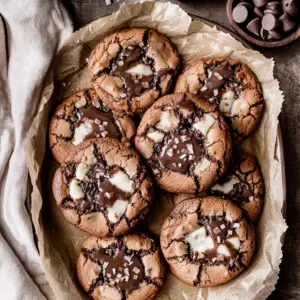
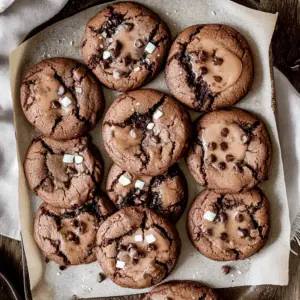
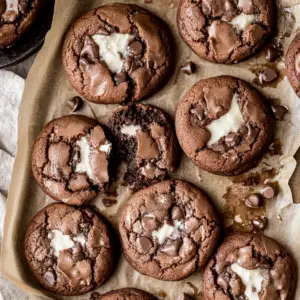
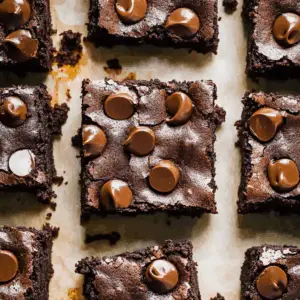
Many home cooks struggle with achieving the perfect balance of rich chocolate and creamy filling that defines excellent Holiday Black Bottom Cookies. The secret lies in mastering the layering and baking techniques to create a cookie that is both visually stunning and deliciously satisfying. With a keen understanding of the necessary methods, you can consistently produce bakery-quality results right in your own kitchen.
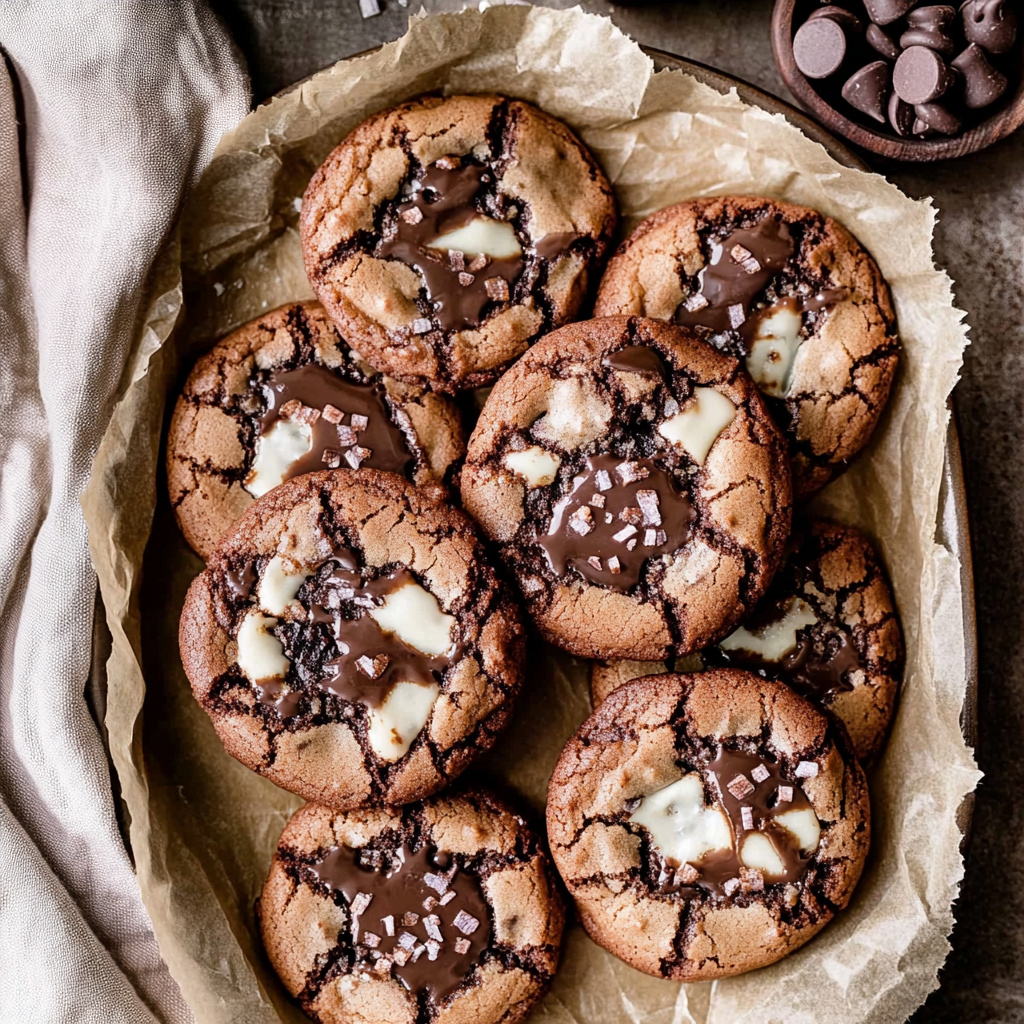
This technique-focused approach eliminates guesswork entirely. By following precise guidelines for mixing, baking, and cooling, you’ll achieve consistent results every time. The method works because it accounts for the chemical reactions that create texture and flavor, ensuring that each cookie has a delightful contrast between the chocolate base and the creamy filling.
Key Success Factors
- </p>
- <p>Maintaining the proper temperature when melting chocolate ensures a smooth texture without seizing
- Using high-quality cocoa powder enhances flavor depth, while accurate measuring prevents imbalances in sweetness and richness
- Proper chilling times for the filling allow it to firm up without losing creaminess during baking.</p>
- <p>
This method succeeds because it controls key variables such as fat content, moisture levels, and cooking time. By managing these elements precisely, you create cookies that are perfectly chewy on the inside with a rich chocolate flavor that doesn’t overwhelm the palate. Professional bakers rely on these same principles to deliver consistent quality in commercial settings.
Ingredient Breakdown by Function
Understanding each ingredient’s role helps you achieve consistent results:
Structural Components:
- 1 cup (120g) all-purpose flour: Provides structure through gluten formation; too much flour leads to dense cookies while too little makes them fragile.
- 1/2 teaspoon baking powder: Acts as a leavening agent, creating lift during baking; this contributes to a lighter texture.
- 1/4 teaspoon fine sea salt: Balances sweetness by enhancing other flavors and strengthens gluten bonds.
Flavor Components:
- 1/2 cup (100g) granulated sugar: Sweetens the cookie while aiding in browning through caramelization during baking.
- 1/4 cup (50g) packed brown sugar: Adds moisture and depth of flavor due to its molasses content; creates a chewier cookie.
- 1 teaspoon pure vanilla extract: Enhances overall flavor profile; choose high-quality extract for best results.
Fat Components:
- 1/2 cup (113g) unsalted butter, softened: Provides richness and aids in moisture retention; must be at room temperature for even mixing.
- 3 ounces (85g) dark chocolate, melted: Imparts rich flavor; ensure it cools slightly before adding to prevent curdling eggs.
Filling Components:
- 4 ounces (113g) cream cheese, softened: Creates a creamy filling with tangy flavor; must be softened for smooth integration into batter.
- 1/4 cup (30g) powdered sugar: Sweetens the cream cheese filling without grittiness; provides smooth texture when fully incorporated.
- 1 large egg: Binds ingredients in the filling while contributing to its fluffiness; ensure it’s at room temperature for optimal blending.
You’ll find the complete recipe with exact measurements and detailed instructions in the recipe card at the end of this post.
Step-by-Step Technique Guide
Preparing the Cookie Dough Base
Start by preheating your oven to 350°F (175°C). In a mixing bowl, cream together softened butter, granulated sugar, and brown sugar until light and fluffy—this incorporates air into the mixture, which aids in leavening during baking. Gradually add melted dark chocolate, mixing until well combined. Incorporate eggs one at a time along with vanilla extract to create an emulsion that ensures consistent moisture throughout. In another bowl, whisk together flour, baking powder, and salt before gradually folding this dry mixture into your wet ingredients. Over-mixing at this stage can lead to tough cookies due to excessive gluten development.
Creating the Cream Cheese Filling
In a separate bowl, blend softened cream cheese with powdered sugar until smooth—this process should take about two minutes on medium speed to avoid lumps. Add egg once combined thoroughly; mix until completely integrated. It’s crucial not to overbeat at this stage as excessive air will cause puffing during baking which can lead to cracks in your filled cookies. Chill this mixture briefly in the refrigerator while you prepare your cookie dough for assembly.
Assembling Holiday Black Bottom Cookies
Scoop out portions of cookie dough using a tablespoon or ice cream scoop onto parchment-lined baking sheets, ensuring adequate space between each ball since they will spread during baking. Create an indentation in each ball using your thumb or back of a spoon—this space will hold your cream cheese filling nicely. Fill each indentation generously with about one teaspoon of the chilled cream cheese mixture, making sure not to overflow which could lead to spillage during baking.
Baking for Optimal Texture
Bake cookies in your preheated oven for 18-20 minutes or until edges are firm but centers remain slightly soft—this indicates they will set perfectly upon cooling. Rotate trays halfway through if your oven has hot spots; maintaining consistent heat distribution is vital for even baking. Avoid opening the oven door frequently as it may cause fluctuations in temperature affecting rise and texture.
Allow cookies to cool on baking sheets for five minutes before transferring them gently to wire racks—this helps maintain structural integrity as they firm up further away from direct heat. Cooling allows flavors to meld harmoniously while also preventing sogginess from residual heat trapped beneath them. Ensure they’re completely cooled before storing or serving as this enhances their final texture.
By mastering these techniques for Holiday Black Bottom Cookies, you’ll bring professional-level skills into your home kitchen that will undoubtedly impress family and friends alike!
Critical Technique Tips
- </p>
- <p>Ensure that your butter is consistently between 60-65°F for optimal flakiness in Holiday Black Bottom Cookies
- Cold butter creates distinct layers, while warmer temperatures lead to undesirable spreading
- Use a scale to measure ingredients accurately, as precise ratios significantly affect both texture and flavor
- When incorporating chocolate, allow it to cool slightly before mixing into the batter to prevent curdling of eggs and ensure a smooth blend
- Chill the dough for at least one hour prior to baking, which helps solidify the butter and maintain shape during cooking. </p>
- <p>
Common Mistakes and How to Avoid Them
One major error occurs when butter is melted instead of softened, leading to greasy cookies that spread too much. Keep butter at room temperature (60-65°F) for proper incorporation. Another common issue is not measuring flour properly; too much flour results in dry cookies. Always weigh flour rather than relying on cup measurements to ensure consistency. Finally, underbaking can cause cookies to be too soft or doughy; use a toothpick test to check doneness, aiming for a slight resistance without raw batter clinging.
Expert Variations and Modifications
To enhance flavor complexity in Holiday Black Bottom Cookies, consider substituting half of the granulated sugar with brown sugar. This adds moisture and caramel notes due to the molasses content in brown sugar. For unique textures, incorporate finely chopped nuts or dark chocolate chunks into the dough; they contribute crunch and contrasting flavors that elevate the overall profile. Additionally, adding a pinch of espresso powder intensifies chocolate flavor without altering sweetness significantly—this professional trick amplifies richness and depth in baked goods.
Optimal Storage for Best Quality
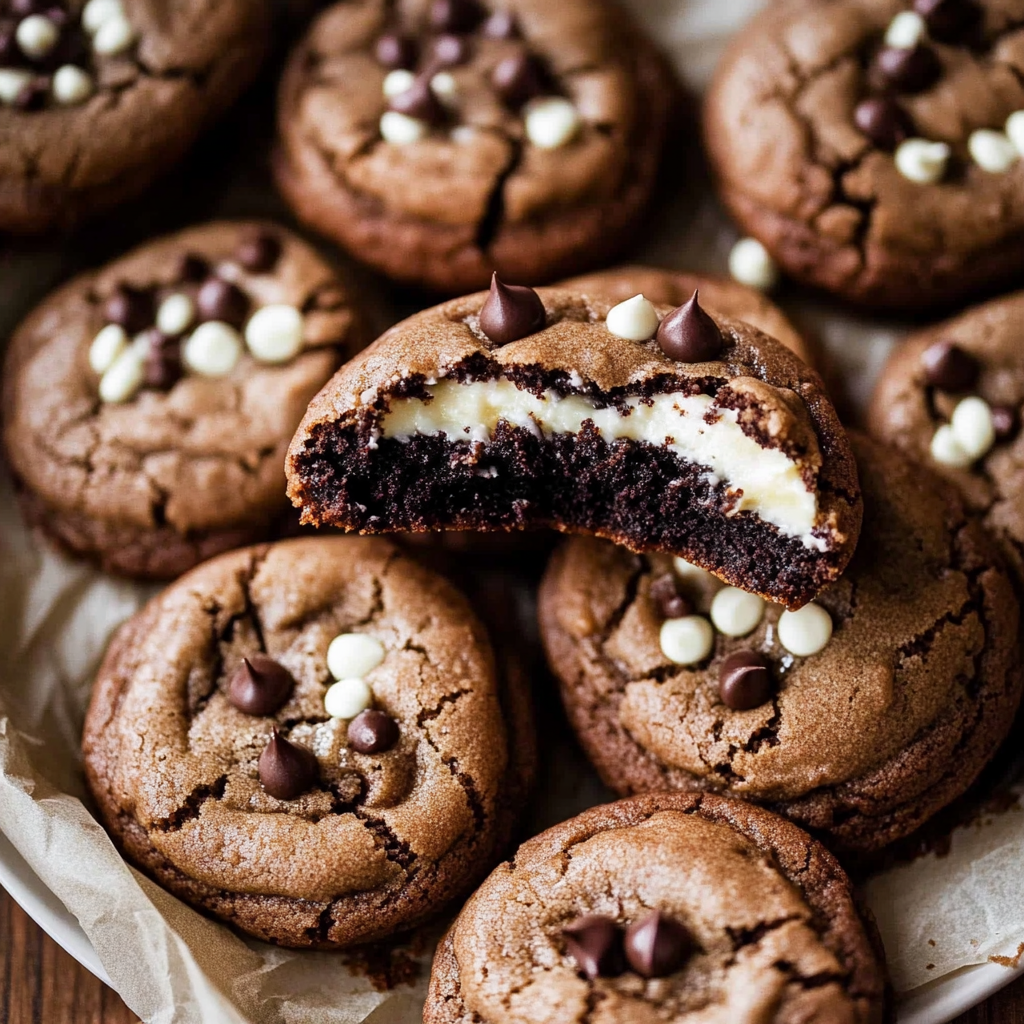
Store Holiday Black Bottom Cookies in an airtight container at room temperature for up to five days. Keeping them sealed prevents moisture loss and preserves softness. For longer storage, freeze cookies immediately after cooling on a wire rack. Use parchment paper between layers in airtight containers or freezer bags to avoid sticking and preserve texture for up to three months at 0°F or below. To refresh after thawing, briefly heat in a preheated oven at 300°F for five minutes to restore original quality.
Professional Techniques
- </p>
- <p>To achieve consistent results, professional bakers often employ a technique called “creaming,” beating butter with sugar until light and fluffy enhances air incorporation, crucial for rise
- High-end pastry chefs utilize scale measurements exclusively for dry ingredients like flour; this precision ensures uniformity across batches
- When melting chocolate, use a double boiler method instead of direct heat; this gentle approach prevents scorching while achieving optimal smoothness essential for cookie texture integration
- Lastly, cooling cookie sheets between batches allows better shaping as residual heat alters dough consistency if reused immediately. </p>
- <p>
Understanding the importance of resting periods during dough preparation cannot be overstated; it allows gluten strands to relax, making rolling easier and preventing shrinkage during baking. This knowledge matters greatly as it leads to uniform shapes and structures that hold their form while still achieving desirable flakiness in the final product. Utilizing proper resting times elevates your baked goods from standard home cooking to professional-level results.
FAQ
What temperature should ingredients be for making Holiday Black Bottom Cookies?
Butter must remain between 60-65°F for optimal incorporation into dough; it helps create distinct layers without melting away. Eggs should also be at room temperature (68-70°F) for better emulsification.
Why do my Holiday Black Bottom Cookies spread too much?
Excessive spreading often results from using melted butter or overly warm dough during baking. Ensure butter is properly softened at room temperature and chill the dough before baking.
Can I substitute dark chocolate with milk chocolate in Holiday Black Bottom Cookies?
Yes, but keep in mind that milk chocolate has more sugar and less cocoa content than dark chocolate, which may result in sweeter cookies with a different flavor profile. Adjust other sugars accordingly if needed.
How do I prevent my cookies from becoming hard after baking?
To maintain softness, avoid overbaking by checking cookies just before edges set; they will firm up once cooled. Store them properly as mentioned earlier to retain moisture.
What causes my cookies not to rise properly?
Insufficient leavening agents can hinder rising; verify that baking powder is fresh and used correctly according to recipe guidelines. Also check ingredient temperatures; cold components can impede proper expansion.
How can I achieve better texture in my Holiday Black Bottom Cookies?
Incorporate chilled ingredients into your dough while maintaining appropriate mixing times—overmixing can lead to dense cookies due to excessive gluten development. Aim for just combined mixtures for ideal texture.