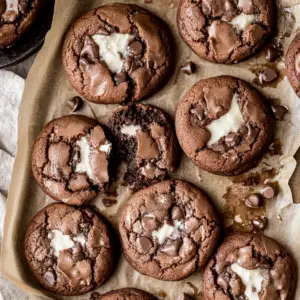
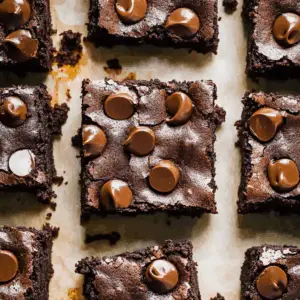
Many home cooks struggle with achieving the perfect balance of chewiness and crispness in their Christmas Coconut Cookies. The secret lies in understanding the science behind ingredient interactions and employing precise techniques. Master these principles, and you will produce professional-quality cookies that delight your family and friends each holiday season.
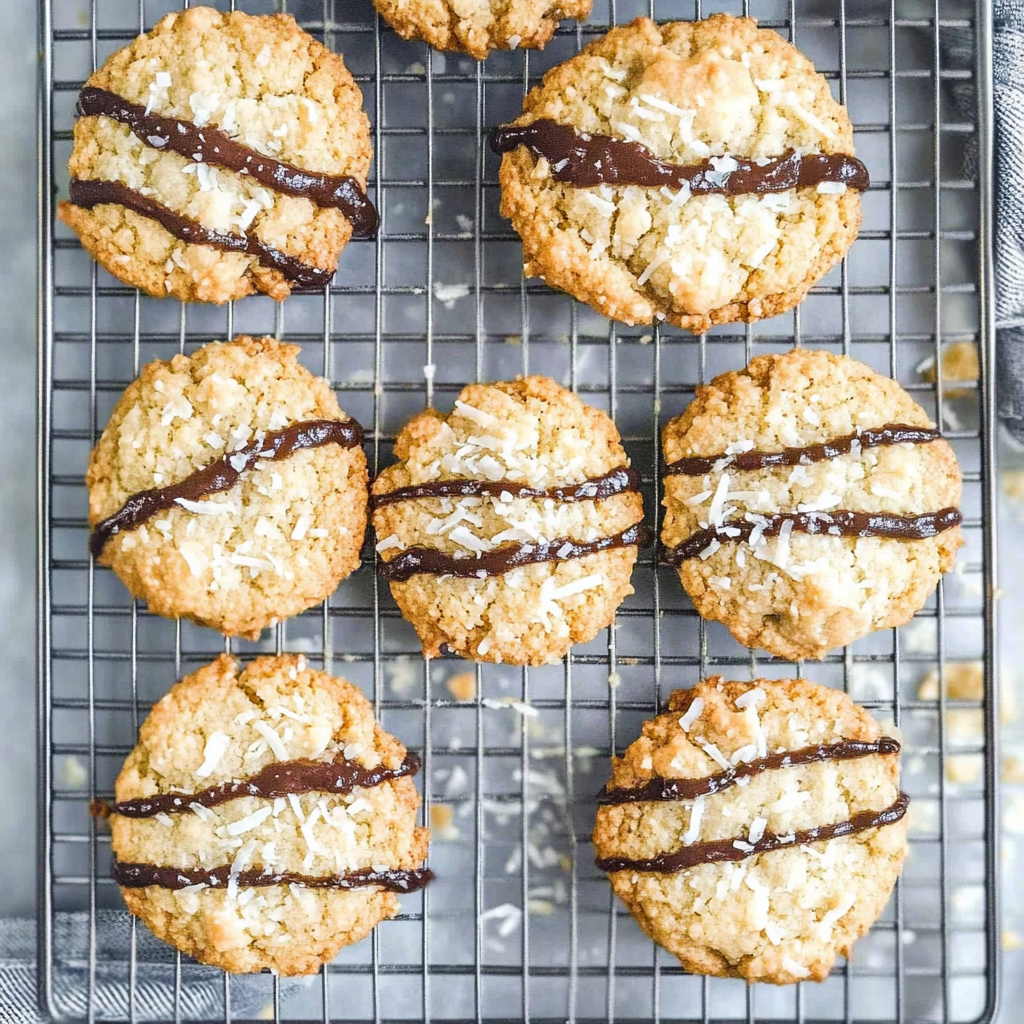
This technique-driven approach eliminates guesswork entirely. By focusing on ingredient selection, temperature management, and baking times, you can consistently achieve the desired texture and flavor profile. This method works because it leverages the chemical reactions that occur during baking, ensuring that each cookie is a delightful treat.
Key Success Factors
- </p>
- <p>Using freshly grated coconut enhances flavor and moisture without making cookies soggy
- Chilling dough before baking prevents spreading, ensuring a thick cookie with a chewy center
- Employing a mix of granulated sugar and brown sugar creates depth of flavor while promoting caramelization for a golden finish
- Baking at the right temperature ensures even cooking without burning the edges.</p>
- <p>
This method succeeds by controlling key variables such as fat content, moisture levels, and baking time. By managing each element with precision, you create cookies that are perfectly chewy on the inside while maintaining a light crispness on the outside—principles that professional bakers rely on in their craft.
Ingredient Breakdown by Function
Understanding each ingredient’s role helps you achieve consistent results:
Structural Components:
- 2 cups (200g) all-purpose flour: Provides structure through gluten formation. Too much flour can lead to dry cookies, while too little results in overly soft textures.
- 1/2 teaspoon baking soda: Acts as a leavening agent that helps cookies rise slightly during baking. Insufficient leavening can lead to dense cookies.
- 1/4 teaspoon fine sea salt: Enhances overall flavor by balancing sweetness and amplifying other ingredients’ taste profiles.
Flavor Components:
- 1 cup (200g) granulated sugar: Contributes sweetness and encourages browning through caramelization during baking. Reducing sugar will result in less color and flavor depth.
- 1/2 cup (100g) packed brown sugar: Adds moisture and a hint of molasses flavor due to its higher moisture content compared to granulated sugar.
- 1 teaspoon pure vanilla extract: Enhances overall flavor profile with its aromatic compounds; omitting it diminishes complexity.
Fat Sources:
- 1/2 cup (113g) unsalted butter, softened: Provides richness and contributes to texture; butter must be at room temperature for proper creaming with sugars.
- 1 large egg: Binds ingredients together while adding moisture; omitting or substituting eggs significantly affects texture.
Finishing Touches:
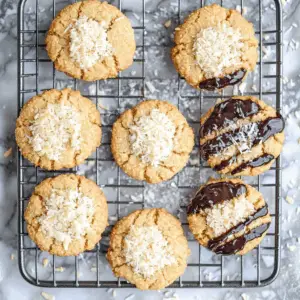
- 2 cups (180g) shredded coconut (unsweetened): Adds texture and flavor without excess sweetness; using sweetened coconut may alter the cookie’s final taste.
- 1/2 cup (90g) semi-sweet chocolate chips (optional): Introduces additional layers of sweetness and richness; omit for a more traditional coconut cookie experience.
You’ll find the complete recipe with exact measurements and detailed instructions in the recipe card at the end of this post.
Step-by-Step Technique Guide
Preparing Your Dough
Begin by creaming together softened butter, granulated sugar, and brown sugar in a large mixing bowl until light and fluffy, which takes about three to five minutes. This process incorporates air into the mixture, aiding in leavening during baking. Incorporate one large egg along with vanilla extract into this mixture until fully combined. In a separate bowl, whisk together flour, baking soda, and salt to ensure even distribution of dry ingredients before gradually adding them into the wet mixture. Mixing should continue until just combined; overmixing could develop gluten excessively leading to tough cookies.
Incorporating Coconut and Chips
Once your dough is combined, fold in shredded coconut gently using a spatula or wooden spoon until evenly distributed throughout the mixture. If you choose to add semi-sweet chocolate chips for extra flavor complexity, do so at this stage—this allows for even distribution without compromising dough integrity. Note that using freshly grated coconut will enhance moisture levels but require careful attention to ratios as too much can lead to overly wet dough.
Chilling for Optimal Texture
After preparing your dough, cover it tightly with plastic wrap or transfer it into an airtight container for chilling in the refrigerator for at least 30 minutes up to two hours. Chilling is essential as it firms up the fat within the dough; this prevents excessive spreading during baking resulting in thicker cookies with desirable chewiness at their core.
Baking Preparation
Preheat your oven to 350°F (175°C), placing racks in the center position for optimal heat circulation. Line your baking sheets with parchment paper or silicone mats—these surfaces prevent sticking while promoting an even bake. Once chilled, scoop out portions of dough using a tablespoon or cookie scoop onto prepared sheets spaced approximately two inches apart to allow for expansion during baking.
Baking Process
Bake cookies for 10-12 minutes until they are lightly golden around the edges yet still soft in the center—the residual heat will continue cooking them slightly after removal from the oven. Monitor closely towards the end of baking time since oven temperatures may vary widely among different models. Allow cookies to cool on sheets for five minutes before transferring them onto wire racks; this cooling period helps maintain their shape while allowing flavors to develop further as they set.
By following these structured techniques developed from professional practices, you can create extraordinary Christmas Coconut Cookies that stand out for their texture and flavor—a true highlight of any festive gathering!
Critical Technique Tips
- </p>
- <p>Maintain a steady oven temperature of 350°F during baking to ensure even cooking and prevent undercooked centers
- Use parchment paper on baking sheets to promote even browning and prevent sticking
- Measure flour by weight for precision, as discrepancies in volume measurements can lead to dry or overly wet cookies
- Allow cookies to cool on the baking sheet briefly before transferring them to a wire rack; this helps set their structure without becoming too crumbly. </p>
- <p>
Common Mistakes and How to Avoid Them
One common error is using cold ingredients directly from the refrigerator. Cold butter can cause uneven mixing, resulting in a dense texture. Always allow butter and eggs to reach room temperature (around 68°F) for optimal incorporation. Another frequent issue is overbaking, which leads to dry cookies. Monitor baking closely and remove them when edges are just golden; residual heat will continue cooking slightly as they cool. Lastly, not measuring coconut correctly can affect moisture content; always weigh for consistency.
Expert Variations and Modifications
To enhance flavor complexity, consider substituting half of the granulated sugar with brown sugar, which adds moisture from molasses and deeper caramel notes. For an elevated texture, incorporate finely chopped nuts or chocolate chips into the dough at no more than 20% of the total weight; this introduces additional flavor and texture contrasts. Additionally, using unsweetened coconut flakes instead of sweetened varieties allows for greater control over overall sweetness while preserving that essential tropical flavor profile.
Optimal Storage for Best Quality
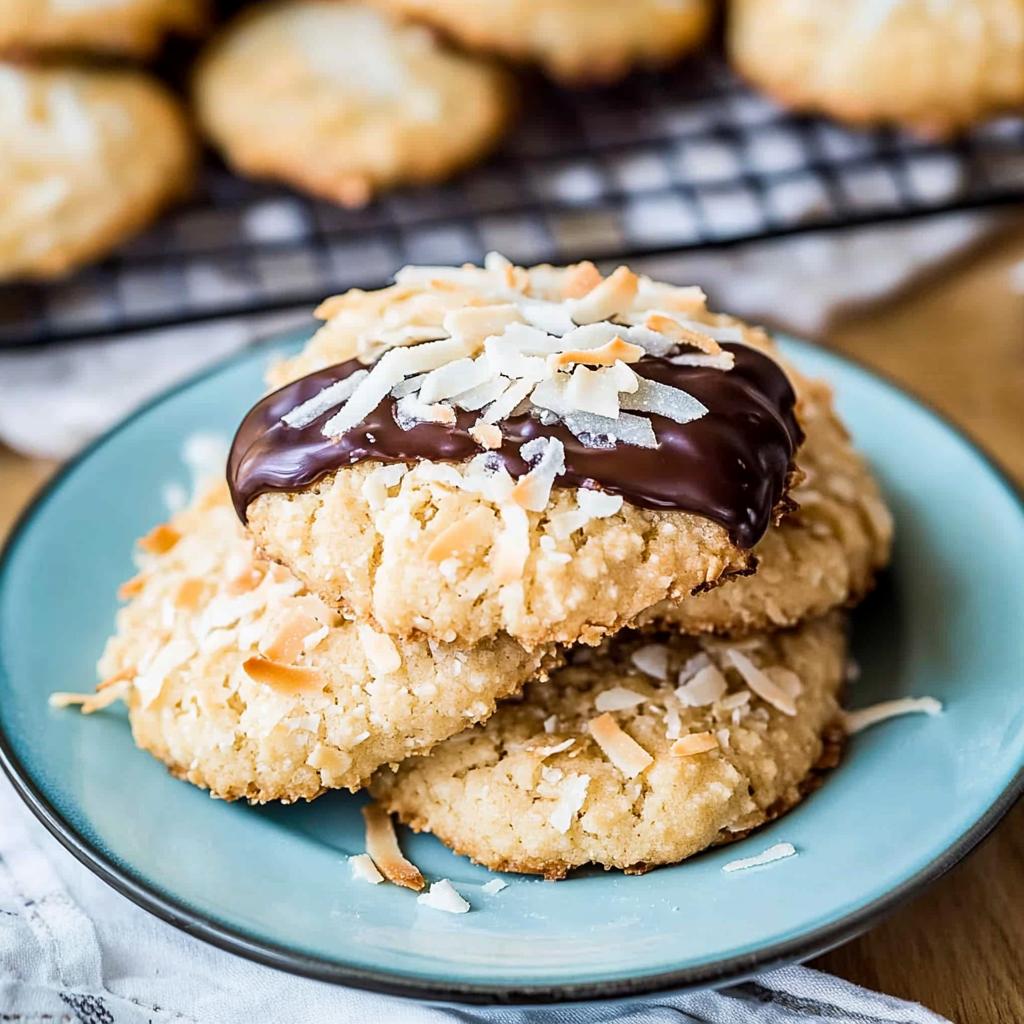
Store Christmas Coconut Cookies in an airtight container at room temperature for up to one week to maintain optimal freshness. Refrigeration can alter cookie texture due to humidity differences; moisture absorption can render them chewy rather than crisp. For extended storage, freeze cookies after cooling completely in a single layer on a baking sheet. Once frozen solid, transfer them into freezer bags with air removed; they retain quality for three months at 0°F or below.
Understanding proper ingredient temperatures is crucial for achieving perfectly baked Christmas Coconut Cookies. The appropriate range ensures that the fats emulsify well with sugars, leading to a tender structure and balanced moisture retention throughout the baking process.
FAQ
What temperature should my butter be for making Christmas Coconut Cookies?
Butter should be between 65-70°F for optimal creaming with sugars. This temperature promotes proper aeration and emulsification without melting too quickly into the dough, ensuring a light texture.
How can I prevent my Christmas Coconut Cookies from spreading too much?
Excessive spreading often occurs due to warm dough or insufficient flour. Chill your dough for at least 30 minutes before baking and ensure accurate flour measurement by weight.
Can I substitute sweetened coconut flakes in my Christmas Coconut Cookies?
While sweetened coconut flakes work, they introduce excess sugar that may alter the desired balance of flavors and textures. Unsweetened flakes maintain control over sweetness while enhancing coconut flavor.
What causes my Christmas Coconut Cookies to be tough instead of tender?
Tough cookies result from overmixing the dough or using too much flour. Mix until just combined and measure flour accurately by weight to achieve tender results.
How do I know when my Christmas Coconut Cookies are done baking?
Cookies are done when edges are lightly golden but centers appear slightly underbaked; they will firm up as they cool on the baking sheet due to residual heat.
What is the best way to add chocolate chips or nuts to my Christmas Coconut Cookies?
Incorporate chocolate chips or nuts gently during the final mixing stage after achieving a uniform dough consistency. This ensures even distribution without overworking the mixture, which could lead to toughness.