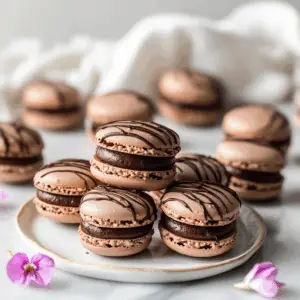
Many home cooks struggle with achieving the delicate structure and rich flavor that defines exceptional Holiday Chocolate Macarons. The secret lies in mastering meringue techniques, understanding moisture control, and precise baking methods. By focusing on these key principles, you can consistently create professional-quality macarons that impress.
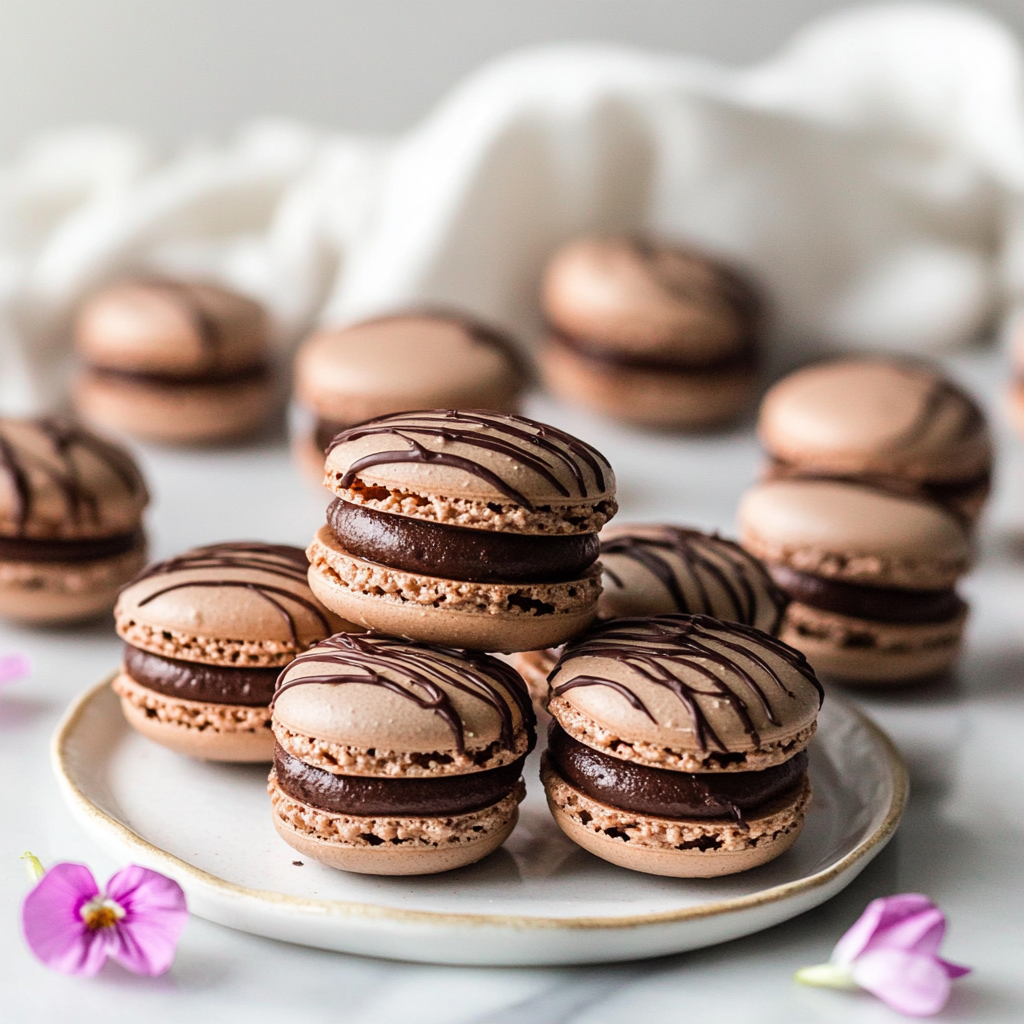
This technique-focused approach eliminates guesswork entirely. By adhering to specific temperature guidelines and visual cues, you’ll achieve consistent results every time. This method works because it takes into account the chemical reactions that create the perfect texture and flavor profile we associate with high-quality macarons.
Key Success Factors
- </p>
- <p>Properly aged egg whites enhance meringue stability by reducing moisture content, resulting in a firmer structure
- Sifting almond flour and powdered sugar ensures uniform particle size, promoting smooth macaron shells without lumps
- Using a kitchen scale for measurements guarantees precision, preventing inconsistencies in the final product
- Allowing macarons to rest before baking forms a protective skin that contributes to their signature texture.</p>
- <p>
This approach succeeds because it effectively manages the three critical components of macaron-making: meringue structure, moisture balance, and baking temperature. Professional pastry chefs rely on these principles in commercial kitchens to create macarons with the ideal crisp exterior and soft interior.
Ingredient Breakdown by Function
Understanding each ingredient’s role helps you achieve consistent results:
Structural Components:
- 3 ¼ cups (300g) almond flour: Finely ground almonds provide essential fat and structure. A higher fat content contributes to the rich flavor characteristic of macarons.
- 2 cups (240g) powdered sugar: Combines with almond flour to create a smooth batter while adding sweetness. Omitting this will result in grainy textures.
- ½ teaspoon fine sea salt: Enhances flavor while stabilizing egg whites during whipping; its absence can lead to bland-tasting macarons.
Leavening and Structure:
- 3 large egg whites (about 100g), aged: Aged egg whites improve meringue stability by allowing moisture loss. Fresh egg whites may yield weaker meringue structures.
- 1 pinch cream of tartar: Acts as an acidifying agent that strengthens meringue by stabilizing proteins during whipping; omitting it may lead to collapse.
Flavoring:
- ½ cup (90g) granulated sugar: Gradually added during meringue preparation enhances volume while sweetening the mixture; skipping this impacts both texture and taste.
- 1 teaspoon vanilla extract or other flavorings: Adds depth to the overall profile; using too much may disrupt the delicate balance of flavors.
Filling:
- 1 cup (227g) unsalted butter, softened: Provides richness for filling; must be at room temperature for easy incorporation into frosting or ganache.
- 2 cups (240g) confectioners’ sugar: Sweetens buttercream while achieving a creamy consistency essential for an appealing filling.
- 4 ounces dark chocolate, melted (optional): Adds depth of flavor if used in ganache filling; ensure it’s cooled slightly before mixing with butter.
You’ll find the complete recipe with exact measurements and detailed instructions in the recipe card at the end of this post.
Step-by-Step Technique Guide
Aging Egg Whites for Stability
Begin by separating egg whites from yolks at least one day prior to making your macarons. Place them in a clean, dry bowl covered loosely with plastic wrap to allow air circulation while inhibiting contamination from odors in your refrigerator. Aging allows water molecules to evaporate, increasing protein concentration which leads to more stable meringue. The key is ensuring they reach room temperature before whipping for maximum volume.
Sifting Dry Ingredients for Uniformity
Combine almond flour and powdered sugar in a fine mesh sieve over a large mixing bowl. Sift this mixture two or three times to eliminate any lumps while ensuring even particle size for smooth batter consistency. Poorly sifted ingredients can lead to uneven textures and visible lumps on finished shells. Skipping this crucial step can compromise your final product’s aesthetic appeal.
Whipping Meringue to Perfection
In a clean mixing bowl, begin whisking your aged egg whites on medium speed until frothy before gradually adding cream of tartar. Once soft peaks form, slowly incorporate granulated sugar while continuing whisking on high speed until stiff peaks develop—this should take about five minutes total. Stiff peaks are vital for structural integrity; under-whipped meringue will collapse during baking whereas over-whipped will become dry and grainy.
Macaronage Technique: Folding Batter Correctly
Gently fold one-third of your dry mixture into whipped meringue using a spatula until just combined; this lightens the batter making subsequent incorporation easier. Add remaining dry ingredients gradually, folding carefully until the mixture reaches “lava-like” consistency—when dropped from the spatula it should flow smoothly without holding shape but not be too runny. This step is essential as it determines how well your macarons rise during baking.
Piping Shells with Precision
Transfer batter into a piping bag fitted with a round tip (about ½ inch wide). Pipe circles onto parchment-lined baking sheets spaced about two inches apart; each circle should be approximately 1½ inches in diameter. Use consistent pressure throughout piping process to maintain uniformity—irregular shapes will lead to uneven baking results. After piping each shell, tap the tray firmly against your countertop several times—this releases trapped air bubbles which could cause cracking.
Baking Your Macarons Correctly
Preheat your oven to 300°F (150°C) with racks positioned centrally for even airflow around trays. Allow piped macarons to rest at room temperature until they form a dry skin—about 30-60 minutes depending on humidity levels—before baking them for 15-20 minutes until they develop feet and are firm yet slightly springy when touched lightly. Avoid opening the oven door prematurely as fluctuations can disrupt rising; use an oven thermometer for accuracy since home ovens often deviate from set temperatures.
This comprehensive guide on achieving perfect Holiday Chocolate Macarons utilizes expert techniques grounded in science, ensuring success through precise methods tailored for home bakers aiming for professional-level results.
Critical Technique Tips
- </p>
- <p>Ensure your egg whites are aged for at least 24 hours in the refrigerator before use
- This reduces moisture content, allowing for a more stable meringue
- Aim for a room temperature of 70°F in your kitchen to facilitate optimal mixing and baking conditions
- Use a food scale to measure ingredients accurately; weight ensures consistency in macaron size and texture
- Always sift the almond flour and powdered sugar together to eliminate lumps that can affect the batter’s smoothness. </p>
- <p>
Common Mistakes and How to Avoid Them
A common error is under-mixing the macaron batter, resulting in a lack of proper consistency and structure. Visually inspect the batter; it should flow like lava and form ribbons when lifted. Another frequent mistake involves incorrect oven temperature settings, which can lead to cracked surfaces or hollow shells. Use an oven thermometer for accuracy, as many home ovens deviate from the set temperature. Lastly, neglecting to rest piped macarons can cause poor foot development; always let them sit until a skin forms on the surface.
Expert Variations and Modifications
To enhance flavor depth in Holiday Chocolate Macarons, consider adding finely ground espresso powder or cocoa nibs for a sophisticated twist. Adjusting the almond flour-to-powdered sugar ratio by substituting fifteen percent of the almond flour with cocoa powder yields a richer chocolate flavor without compromising texture. Experimenting with flavored extracts such as peppermint or orange can impart seasonal notes while maintaining structural integrity. For added visual appeal, incorporate colored cocoa butter into your shells before baking, creating intricate designs that elevate presentation.
Optimal Storage for Best Quality
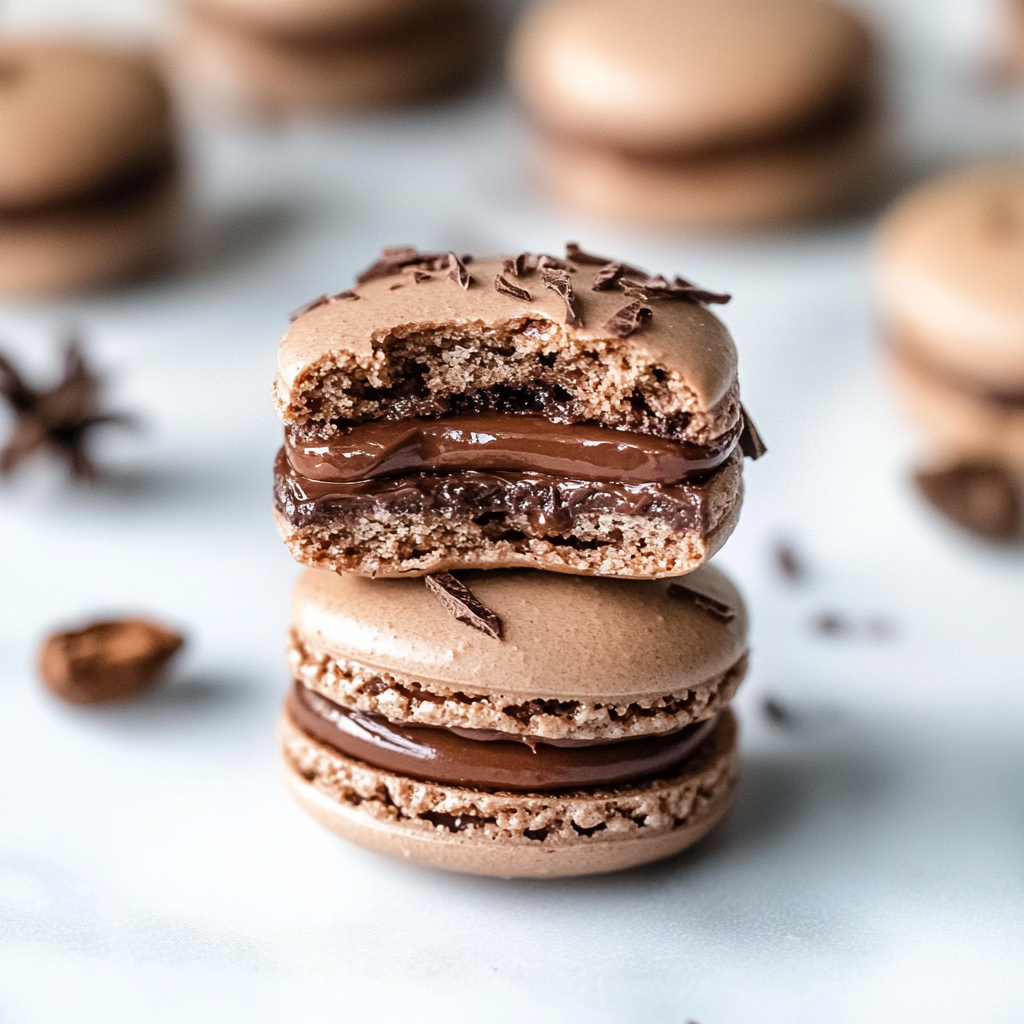
Store completed Holiday Chocolate Macarons in an airtight container at room temperature for up to three days; this preserves their signature chewy texture. Refrigeration can alter their moisture balance, leading to undesirable texture changes due to condensation forming inside packaging. For extended storage, freeze macarons after they cool completely by placing them in a single layer within freezer-safe containers separated by parchment paper. They maintain quality for up to three months at 0°F or below; thaw overnight in the refrigerator before bringing back to room temperature.
Professional Techniques
Professional pastry chefs often utilize a technique called “French meringue,” combining egg whites and sugar slowly over low heat before whipping for stability. This method prevents graininess by dissolving sugar fully during whisking. Many bakeries implement humidity control systems during baking; moisture levels directly impact macaron shell texture and foot formation. It’s also common practice to bake macarons on silicone mats rather than parchment paper, promoting even heat distribution and reducing the risk of sticking.
Understanding proper folding technique is crucial when combining dry and wet ingredients for macaron batter. This process requires gentle incorporation of air while ensuring you do not deflate the mixture excessively; achieving this balance is key to creating well-risen macarons with distinct feet. Additionally, recognizing how sugar interacts with proteins during meringue formation helps achieve stable peaks essential for successful results—over-whipping causes collapse while under-whipping yields insufficient volume.
FAQ
What temperature should my egg whites be for making Holiday Chocolate Macarons?
Egg whites should be at room temperature (approximately 70°F) before whipping, as this maximizes volume during aeration and stabilization of the meringue.
How do I fix cracked shells on my Holiday Chocolate Macarons?
Cracked shells often result from excessive oven temperature or insufficient resting time before baking. Ensure proper resting until a skin forms on top and check your oven’s accuracy with an external thermometer.
Can I use liquid food coloring instead of gel for my macaron batter?
Liquid food coloring adds excess moisture that can destabilize macaron batter, leading to improper rise and texture issues. Opt for gel-based colors instead, which provide vivid hues without altering consistency.
Why do my Holiday Chocolate Macarons have no feet?
Lack of feet often relates to insufficient resting time or overly mixed batter causing air loss. Ensure you allow piped macarons to dry until they form a skin before baking.
What type of almond flour is best for making macarons?
Use finely ground almond flour specifically labeled for pastries; coarser varieties may lead to uneven textures and subpar results due to larger particles disrupting structure.
How can I prevent my macarons from becoming too chewy?
Overbaking leads to excessive chewiness; maintain precise baking times based on your oven’s performance and ensure not to exceed recommended temperatures—typically around 300°F-325°F.
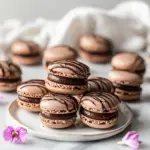
Delicious Holiday Chocolate Macarons
- Total Time: 1 hour 20 minutes
- Yield: Approximately 24 macarons 1x
Description
Experience the joy of crafting these exquisite Holiday Chocolate Macarons that boast a perfect balance of crispy shells and rich, flavorful fillings. With the right techniques, you can create show-stopping treats that will impress your family and friends this festive season. Master the art of meringue and discover how to achieve that signature smooth texture for macarons that are as delightful to eat as they are to look at.
Ingredients
- 3 ¼ cups (300g) almond flour
- 2 cups (240g) powdered sugar
- ½ teaspoon fine sea salt
- 3 large egg whites (about 100g), aged
- 1 pinch cream of tartar
- ½ cup (90g) granulated sugar
- 1 teaspoon vanilla extract
- 1 cup (227g) unsalted butter, softened
- 2 cups (240g) confectioners’ sugar
- 4 ounces dark chocolate, melted (optional)
Instructions
- 1. Age egg whites: Separate egg whites from yolks at least one day in advance and let them sit covered at room temperature.
- 2. Sift dry ingredients: Combine almond flour and powdered sugar, sifting two or three times to ensure a fine consistency.
- 3. Whip meringue: In a clean bowl, whisk aged egg whites until frothy. Add cream of tartar, then gradually incorporate granulated sugar until stiff peaks form.
- 4. Macaronage: Gently fold in the sifted dry ingredients until the batter flows smoothly like lava.
- 5. Pipe shells: Transfer batter to a piping bag and pipe circles onto parchment-lined baking sheets.
- 6. Rest & bake: Allow piped macarons to rest until they form a skin (30-60 minutes). Bake in a preheated oven at 300°F for 15-20 minutes.
- Prep Time: 60 minutes
- Cook Time: 20 minutes
- Category: Dessert
- Method: Baking
- Cuisine: French
Nutrition
- Serving Size: 1 serving
- Calories: 70
- Sugar: 7g
- Sodium: 20mg
- Fat: 4g
- Saturated Fat: 2g
- Unsaturated Fat: 2g
- Trans Fat: 0g
- Carbohydrates: 9g
- Fiber: 0g
- Protein: 1g
- Cholesterol: 10mg